

In modern Australian agriculture, feed quality is paramount to ensuring livestock health, productivity, and farm profitability. Among the many tools farmers utilise to maintain superior feed, waterproof silage plastic stands out as a critical component in silage preservation.
Understanding Silage and Its Importance in Australian Farming
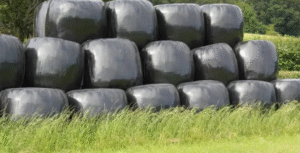
Silage is fermented, high-moisture stored fodder that can be fed to ruminants such as cattle and sheep during times when fresh pasture is unavailable. Given Australia’s often variable climate, silage enables farmers to safeguard forage and provide consistent nutrition year-round.
However, silage is only as good as the conditions under which it is stored. Proper fermentation and protection against spoilage are essential. It is where waterproof silage plastic becomes indispensable—acting as a barrier that prevents oxygen, moisture, and contaminants from compromising silage quality.
What Is Waterproof Silage Plastic?
Waterproof silage plastic is a specialised polyethylene film designed for wrapping silage bales or lining silage pits and bunkers. Its key characteristics include:
High impermeability to water and air is essential for maintaining anaerobic conditions.
Durability and tear resistance enable it to withstand handling, weather, and rodent activity.
UV resistance ensures longevity when exposed to sunlight.
Flexibility, allowing it to conform tightly around irregular bale shapes or silage heaps.
These properties collectively ensure that silage remains protected from spoilage agents, retains nutritional value, and delivers maximum feed quality.
The Crucial Role of Waterproof Silage Plastic in Feed Preservation
Maintaining Anaerobic Conditions
Silage preservation hinges on maintaining an oxygen-free (anaerobic) environment. Oxygen exposure promotes the growth of moulds, yeasts, and aerobic bacteria, leading to spoilage and nutrient loss. Waterproof silage plastic acts as an airtight seal, preventing oxygen ingress and allowing beneficial lactic acid bacteria to ferment the forage properly.
Preventing Moisture Ingress and Weather Damage
Australia’s farming regions experience diverse weather conditions—from heavy rains in coastal zones to drought in inland areas. Waterproof silage plastic shields the silage from rain and surface moisture that could otherwise cause spoilage or seepage of valuable nutrients. By keeping the silage dry externally, farmers reduce risks of runoff pollution and maintain bale integrity.
Protecting Against Physical and Biological Damage
Beyond weather, wildlife and farm equipment can damage exposed silage. Waterproof silage plastic’s toughness resists punctures and tears, protecting feed from rodents, birds, and mechanical abrasion. This durability is vital for long-term storage and transport, ensuring silage quality upon feeding.
Advantages of Using Waterproof Silage Plastic in Australian Farms
Enhanced Nutritional Retention
By preventing spoilage, waterproof silage plastic preserves the protein content, energy value, and digestibility of the forage. Studies have shown that well-sealed silage loses fewer nutrients over time, resulting in healthier livestock and improved production performance, such as higher milk yields and weight gain.
Reduced Feed Waste and Economic Gains
Spoiled or mouldy silage is unusable and represents a direct loss to farm income. Investing in quality waterproof silage plastic significantly reduces feed waste, translating into cost savings and better feed efficiency. In the long term, this contributes to more sustainable and profitable farming operations.
Environmental Benefits
Silage leakage can cause nutrient runoff that contaminates waterways. Properly sealed silage with waterproof plastic minimises effluent losses, helping farms comply with environmental regulations and promote sustainable land stewardship.
Selecting the Right Waterproof Silage Plastic for Australian Conditions
Choosing the appropriate waterproof silage plastic is critical to maximising its benefits. Factors to consider include:
Thickness and durability: Thicker films provide better protection but may be less flexible. Australian farmers should balance these based on handling equipment and bale sizes.
UV resistance: For exposed silage heaps, UV-resistant films prolong plastic life under harsh sun exposure typical in many Australian regions.
Size and roll length: Adequate dimensions reduce the need for seams and overlap, limiting oxygen entry points.
Compatibility with existing wrapping machines: Ensuring the plastic is suitable for farm machinery improves efficiency and reduces downtime.
Consulting suppliers with local knowledge of the Australian climate and farming practices ensures farmers select optimal materials for their specific needs.
Conclusion:
In Australian farming practices, where feed quality directly influences livestock productivity and farm profitability, waterproof silage plastic is a fundamental tool in silage management. By ensuring airtight, moisture-proof protection, this specialised plastic safeguards valuable forage from spoilage, nutrient loss, and contamination.
Adopting the right waterproof silage plastic and applying best practices in wrapping, storage, and handling enables Australian farmers to maximise feed quality, reduce waste, and promote environmental sustainability.