

Stockinette bags are lightweight, stretchable mesh packaging solutions widely used across agriculture, food handling, and industrial supply chains in Australia. These versatile mesh bags are designed to store, protect, and transport produce such as onions, potatoes, citrus fruits, and even firewood while allowing airflow to maintain freshness and reduce spoilage. In Australia’s large-scale farming and export-driven agricultural sector, stockinette bags have become an essential packaging standard due to their durability, cost-effectiveness, and ventilation properties.
Across rural farming regions in New South Wales, Victoria, Queensland, and Western Australia, businesses rely heavily on mesh-based packaging to ensure produce reaches markets in optimal condition. Beyond agriculture, these bags are also used in butchery operations and seafood distribution, where hygiene and airflow are critical. As supply chains become more efficiency-driven, demand for high-quality mesh packaging continues to rise, underscoring the importance of understanding its applications, benefits, and selection criteria in the Australian market.
What Are Stockinette Bags and Why Are They Used in Australia?
Stockinette bags are typically made from knitted polyethylene or polypropylene mesh material. This construction gives them flexibility while maintaining enough strength to hold varying weights of produce or materials. In Australia, they are commonly used in farming operations due to their ability to reduce moisture buildup, which is a key cause of spoilage in warm or humid climates.
One of the major advantages of these bags is their breathability. Unlike sealed plastic packaging, mesh allows constant air circulation, preventing condensation and mould growth. This is particularly important for produce stored or transported over long distances, such as shipments from regional farms to urban distribution centres in Sydney or Melbourne.
In addition, stockinette bags are lightweight, which reduces freight costs—an important consideration for Australian exporters. Their bright colour variations (red, orange, purple, and green) also help with quick product identification in warehouses and packing facilities. Farmers and distributors appreciate that these bags can be reused multiple times depending on handling conditions, making them a practical and economical choice.
Key Applications in Agriculture and Food Supply Chains
In the Australian agricultural sector, packaging efficiency plays a major role in profitability. Stockinette bags are widely used for root vegetables such as onions, garlic, and potatoes, which require ventilation during storage. The mesh structure prevents heat buildup and helps maintain product integrity during transport.
Livestock feed distribution also benefits from mesh packaging, particularly in smaller bulk handling scenarios. Similarly, fisheries in coastal regions like Queensland and Tasmania use these bags for temporary storage of shellfish and other seafood products before processing.
Another emerging application is in firewood distribution. With Australia’s cooler southern states experiencing high seasonal demand for heating fuel, suppliers use mesh bags to package and sell split firewood efficiently.
At this stage, stockinette bags are not just a packaging tool but an operational necessity in multiple industries. Their adaptability across different supply chains has contributed to their strong market presence across both rural and urban Australian logistics networks.
Benefits for Australian Businesses and Exporters
Cost savings and logistical efficiency largely drive the popularity of mesh packaging in Australia. Stockinette bags reduce the need for rigid packaging materials such as crates or boxes, which are heavier and more expensive to transport. This weight reduction directly impacts fuel consumption and freight pricing, particularly for interstate shipments.
Another key benefit is compliance with export standards. Many international markets require ventilation-friendly packaging for fresh produce, especially in Asia-Pacific trade routes. Australian exporters benefit from using mesh solutions that meet these requirements, ensuring smoother customs clearance and lower spoilage rates.
Durability is also a significant advantage. Despite their lightweight construction, high-quality mesh bags can withstand rough handling during loading and unloading processes. This makes them suitable for both domestic distribution and export operations.
Environmental considerations are also becoming more important. Many suppliers in Australia are now offering recyclable or reusable variants, helping businesses reduce their environmental footprint while maintaining operational efficiency.
Choosing the Right Mesh Packaging Solution
Selecting the right mesh packaging depends on several factors, including product type, weight capacity, and storage duration. For example, heavier produce, such as potatoes, requires a higher mesh density than lighter items, such as citrus fruits.
Colour coding is another practical consideration used in Australian warehouses to streamline inventory management. Different colours often indicate product type or grade, reducing sorting errors during distribution.
Supplier reliability is also critical. Australian businesses often source from both domestic manufacturers and international suppliers, balancing cost with quality assurance. Consistency in mesh strength and knot integrity ensures fewer losses during transport and storage.
At this stage, stockinette bags play a strategic role in optimising supply chain efficiency. Businesses that choose the right specifications can significantly reduce waste, improve product presentation, and enhance overall logistics performance.
Future Trends in Mesh Packaging in Australia
The packaging industry in Australia is gradually shifting toward sustainability and automation. As a result, mesh packaging solutions are being improved with stronger recyclable materials and better load-bearing designs.
Smart packaging integration is also being explored, with tracking labels or QR codes attached to mesh bags to improve supply chain visibility. This is particularly useful for exporters who need real-time tracking of produce shipments.
Automation in packing facilities is another growing trend, with machinery designed to fill and seal mesh bags more efficiently. This reduces labour costs and increases throughput, especially in high-volume agricultural regions.
Conclusion
Stockinette mesh packaging continues to play a vital role in Australia’s agricultural and industrial supply chains. From farms and fisheries to export logistics, its versatility, cost efficiency, and breathability make it a preferred choice for handling perishable goods. As sustainability and efficiency become increasingly important, demand for improved mesh solutions will continue to grow.
Businesses that invest in high-quality mesh packaging today are positioning themselves for better operational efficiency and stronger competitiveness in both domestic and international markets.


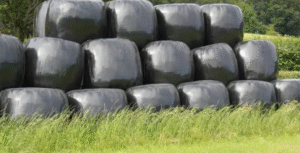
 Silage is fermented, high-moisture stored fodder that livestock rely on, particularly during dry or off-season periods. Maintaining its nutritional value and preventing spoilage is essential for farm productivity and animal health. However, silage is vulnerable to oxygen and water ingress, both of which can degrade feed quality by promoting mould growth and nutrient loss.