
A cranial cruciate ligament (CCL) tear in dogs is one of the most common orthopedic injuries. Similar to the anterior cruciate ligament (ACL) in humans, the CCL in dogs stabilises the knee joint. When this ligament is damaged, it can cause significant pain and mobility issues. While non-surgical treatments are available, pet owners in Portland find that CCL tear in dogs surgery often provides the most effective solution for long-term recovery and improved quality of life.
What is a CCL Tear in Dogs?
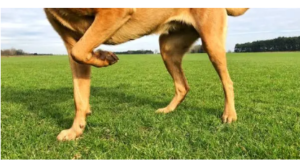 The cranial cruciate ligament (CCL) is located in the knee joint, connecting the femur (thigh bone) to the tibia (shin bone). It prevents the tibia from sliding forward relative to the femur and stabilises the knee during movement. A CCL tear can occur suddenly due to trauma or gradually due to degeneration over time. Symptoms of a CCL tear in dogs include limping, difficulty standing, pain, and swelling in the affected knee.
Diagnosis and Initial Treatment
When a dog exhibits signs of a CCL tear, a veterinarian will typically perform a physical examination and may use imaging techniques like X-rays or MRI to confirm the diagnosis. In some cases, non-surgical treatments such as rest, weight management, and physical therapy may be recommended.
Benefits of CCL Tear Surgery in Dogs
1. Restored Mobility
One of the most immediate benefits of CCL tear in dogs surgery is the restoration of mobility. Surgical intervention stabilises the knee joint, allowing dogs to regain their excellent ability to walk, run, and play without the hindrance of pain or instability. This improvement in mobility significantly enhances the dog’s overall quality of life.
2. Pain Relief
A torn CCL can cause chronic pain due to the instability it creates in the knee joint. Over time, this can lead to arthritis and further degeneration. CCL tear surgery alleviates this pain by stabilising the joint, reducing inflammation, and preventing further joint damage. Post-surgery, dogs typically experience a significant reduction in pain, allowing them to resume normal activities comfortably.
3. Prevention of Further Damage
Without surgical intervention, a CCL tear can lead to additional injuries. The instability in the knee joint can cause damage to other structures within the joint, such as the meniscus, and increase the risk of arthritis. By opting for surgery, pet owners in Portland can prevent these complications and significantly ensure the long-term health of their dog’s knee joint.
4. Improved Long-Term Prognosis
Dogs that undergo CCL tear surgery generally have a better long-term prognosis compared to those managed with conservative treatments alone. Surgical repair provides a permanent solution to the problem, whereas non-surgical options may only offer temporary relief. With proper post-operative care, many dogs return to their pre-injury level of activity and enjoy many more active years.
5. Increased Activity Levels
After recovering from surgery, dogs are often able to resume higher levels of activity than they could with a torn CCL. This increased activity not only improves physical health but also mental well-being, as dogs can engage in the exercises and playtime they enjoy. It leads to a happier, healthier life overall.
Types of CCL Tear Surgery
Several surgical options are available for repairing a CCL tear in dogs, including:
- Tibial Plateau Leveling Osteotomy (TPLO): This procedure changes the angle of the tibial plateau, effectively reducing the need for the CCL to stabilise the joint.
- Tibial Tuberosity Advancement (TTA): Similar to TPLO, TTA realigns the knee joint to prevent the tibia from sliding forward.
- Extracapsular Repair (Lateral Suture Technique): This technique uses a suture outside the joint to mimic the function of the CCL, stabilising the knee.
The choice of surgery signfiicantly depends on several factors, including the dog’s size, age, activity level, and the extent of the injury. A veterinarian will recommend the most suitable procedure based on these considerations.
Post-Surgery Care and Rehabilitation
Successful recovery from a CCL tear in dogs surgery requires diligent post-operative care. It typically involves restricted activity, pain management, and physical therapy. Gradual reintroduction to normal activities helps ensure the surgery’s success and minimises the risk of re-injury.
Conclusion
CCL tear in dogs surgery offers numerous benefits, including restored mobility, pain relief, prevention of further joint damage, and an improved long-term prognosis. While the decision to proceed with surgery can be daunting for pet owners, the potential for a full recovery and a return to normal, active life makes it a worthwhile consideration. Consulting with a veterinarian can significantly help determine the best treatment approach for a dog suffering from a CCL tear, ensuring the best possible outcome for its furry friend.