Open post
gas fitters Adelaide

Gas Fitters Adelaide’ eCoC Compliance, Safety & Emergency Repairs

Gas systems are an important part of many Adelaide homes and businesses, powering cooktops, hot water systems, heaters and other appliances. Because gas work carries serious safety risks, appropriately licensed professionals should handle installation, alteration, and repair work. Gas fitters Adelaide residents can rely on should understand South Australian requirements, complete work to the applicable standards and provide the required documentation when applicable.

Whether you need a new appliance connected, suspect a leak or require urgent repairs, choosing qualified gas fitters helps protect your property, household and customers while ensuring gas work is completed correctly.

Why Use Licensed Gas Fitters in Adelaide?

Gas installation and repair are not suitable DIY projects. Incorrectly connected pipework, appliances, or ventilation can create risks, including gas leaks, fire, and carbon monoxide exposure.

A licensed gas fitter has the appropriate qualifications and licensing to carry out regulated gas work. When choosing gas fitters, ask for evidence of their licence and confirm that their services cover the work you require.

Professional gas fitters can assist with:

● Gas appliance installation and connection

● Gas pipework installation and repairs

● Gas hot water systems

● Gas cooktops and ovens

● Gas heaters

● Fault finding and safety inspections

● Gas leak detection and repairs

For Adelaide properties, professional knowledge is particularly important when older installations need modification or when new appliances are being installed into existing gas systems.

Understanding the Gas Fitting Certificate of Compliance

One important aspect of compliant gas work is documentation. Depending on the work undertaken, you may need a gas fitting certificate of compliance to confirm the gas installation was completed in accordance with the relevant requirements.

An eCoC, or electronic Certificate of Compliance, is used to certify regulated gas work. An eCoC gas fitter can lodge the required electronic compliance documentation for applicable work, providing a record that the installation or alteration has been certified.

Why eCoC Documentation Matters

Compliance documentation provides evidence that a responsible licensed professional has carried out and certified regulated gas work. It can also be valuable when maintaining property records, dealing with future repairs or making changes to an existing installation.

The exact certification requirements depend on the type and scope of gas work. A licensed professional can explain what documentation applies to your particular project.

Emergency Gas Leak Repair in Adelaide

Always take a suspected gas leak seriously. If you notice the smell of gas, hear hissing near gas equipment or suspect a damaged gas line, avoid creating flames or sparks and move people away from the affected area.

If it is safe to do so, shut off the gas supply. Contact the appropriate emergency service or gas distributor when necessary, and arrange emergency gas leak repair through a qualified professional.

Gas fitters Adelaide homeowners call for emergencies should be equipped to identify the source of a leak, isolate unsafe components and undertake the necessary repairs. Do not attempt to dismantle gas appliances or repair pipework yourself.

Choosing the Right Gas Fitters

Before hiring a contractor, consider:

1. Licensing: Verify that the professional is appropriately licensed for gas work.

2. Relevant experience: Choose someone familiar with the type of appliance or installation involved.

3. Compliance: Ask whether they will complete the required certification and eCoC documentation.

4. Emergency availability: If you own a rental or commercial property, or rely heavily on gas appliances, knowing who to contact during an emergency is valuable.

5. Clear pricing: Request an explanation of labour, parts and any additional charges before non-urgent work begins.

Safe, Compliant Gas Work Starts With the Right Professional

From routine appliance connections to urgent leak repairs, qualified gas fitters Adelaide property owners choose can help ensure gas systems are installed, maintained and repaired safely. Licensing, proper workmanship and appropriate compliance documentation are all important parts of responsible gas fitting.

If you need gas installation, repairs, certification, or urgent assistance, contact a licensed gas fitter in Adelaide and have the work professionally assessed rather than attempting a potentially dangerous DIY repair.

—

Frequently Asked Questions

1. Why should I hire licensed gas fitters in Adelaide?

Licensed gas fitters have the required qualifications and licensing to perform regulated gas work safely and in accordance with applicable requirements.

2. What is a gas fitting certificate of compliance?

It is compliance documentation associated with regulated gas work. Where required, it confirms that the relevant work has been completed and certified by the responsible licensed professional.

3. What does an eCoC gas fitter do?

An eCoC gas fitter can complete the applicable electronic Certificate of Compliance process for regulated gas work requiring certification.

4. What should I do if I suspect a gas leak?

Avoid flames, sparks, and electrical switches where possible; move away from the affected area; shut off the gas supply if safe to do so; and contact the appropriate emergency service or qualified gas professional.

5. Can gas fitters repair gas appliances?

Licensed gas fitters can perform gas-related installation, repair and connection work within the scope of their licensing and qualifications. The specific service available depends on the appliance and type of work required.


Open post
arborist Adelaide Hills

Tree Arborist Adelaide Hills’ Emergency Storm Damage Response Guide for Homeowners

Severe weather in the Adelaide Hills can turn healthy trees into immediate hazards, especially after high winds, heavy rain, or lightning strikes. In these situations, knowing when to contact an emergency tree arborist can make the difference between preventing property damage and facing costly structural repairs. Property owners often underestimate how unstable storm-affected trees can be, even when they appear upright.

This guide explains how emergency tree services work, when they are needed, and what Adelaide Hills residents should expect when dealing with urgent tree hazards.

Understanding Storm-Related Tree Hazards in Adelaide Hills

The Adelaide Hills region is known for its dense vegetation, elevated terrain, and exposure to fast-changing weather systems. These conditions increase the likelihood of tree failure during storms.

Common storm-related hazards include:

● Partially uprooted trees leaning toward homes or roads

● Large broken limbs suspended in the canopy (“hangers”)

● Root plate lifting caused by saturated soil

● Cracked trunks that are structurally compromised

● Fallen trees blocking driveways or access routes

When any of these situations occur, an emergency tree arborist is often required immediately to assess risk and begin safe removal or stabilisation.

Ignoring these risks can lead to secondary failures hours or even days after the storm has passed, particularly in eucalyptus-dominant areas common across the Adelaide Hills.

When You Need an Emergency Tree Arborist

Not every damaged tree requires urgent intervention, but certain conditions should be treated as high priority.

You should contact an emergency tree arborist if:

● A tree or large limb is in contact with your home, garage, or power lines

● The tree is leaning suddenly after a storm

● Cracks are visible in the trunk or major branches

● Roots have lifted from the soil, and the tree is unstable

● A tree is blocking emergency access or public roads

In these cases, delaying action increases the risk of sudden collapse. Arborists trained in emergency response use specialised rigging systems, climbing equipment, and mechanical removal techniques to reduce danger during extraction.

What Happens During an Emergency Tree Response

When an emergency call is made, a qualified tree expert typically follows a structured assessment and response process.

1. Rapid Site Assessment

The arborist evaluates the tree’s stability, surrounding structures, and immediate risk factors. This determines whether the tree can be stabilised or must be removed.

2. Risk Mitigation

Temporary measures, such as bracing, cabling, or sectional limb removal, may be used to prevent further collapse.

3. Controlled Removal

If removal is necessary, the tree is dismantled in sections using ropes, rigging, and mechanical support systems to ensure no damage to nearby property.

4. Site Clearance

Debris is cleared to restore access and remove ongoing hazards such as unstable branches or obstructed driveways.

In Adelaide Hills, where steep slopes and dense vegetation often surround properties, precision is critical during every stage of the process.

Why Local Expertise Matters in the Adelaide Hills

Tree management in this region differs from that in flat urban environments. Local knowledge plays a major role in safe and effective emergency response.

An experienced emergency tree arborist in the Adelaide Hills understands:

● Soil instability in sloped terrain after rainfall

● The behaviour of native species like stringybark and gum trees under stress

● Access limitations on rural or semi-rural properties

● Bushfire-prone vegetation management requirements

● Council regulations regarding protected trees

This expertise ensures that emergency decisions are both safe and compliant with local environmental guidelines.

Risks of Delaying Emergency Tree Work

Postponing action after storm damage can significantly increase danger. Trees that appear stable may deteriorate quickly due to internal structural failure or ongoing soil movement.

Potential consequences include:

● Sudden collapse without warning

● Damage to roofs, fences, and vehicles

● Electrical hazards if power lines are involved

● Blocked emergency evacuation routes

● Increased removal costs due to worsening instability

A qualified emergency tree arborist can reduce these risks by intervening early and stabilising or removing dangerous trees before secondary damage occurs.

Preventative Measures to Reduce Emergency Situations

While not all storm damage can be prevented, regular tree maintenance significantly reduces emergency incidents.

Preventative strategies include:

● Routine canopy pruning to reduce wind resistance

● Structural assessment of mature or leaning trees

● Removal of dead or decaying limbs

● Root zone monitoring for signs of soil movement

● Early intervention for pest or disease-affected trees

Homeowners in the Adelaide Hills should schedule regular inspections, particularly before storm seasons, to minimise the need for emergency intervention.

Choosing the Right Emergency Tree Arborist

Selecting a qualified professional is essential during urgent situations. Not all tree services are equipped for high-risk removal work.

Look for:

● Certified arboricultural qualifications

● 24/7 emergency response availability

● Experience with large native trees and complex terrain

● Proper insurance coverage for high-risk work

● Use of modern rigging and safety systems

A reliable emergency tree arborist should be able to provide clear risk explanations and immediate action plans upon arrival.

Conclusion

Storm events in the Adelaide Hills can quickly transform trees into serious hazards. Knowing when to call an emergency tree arborist ensures that risks are managed safely and efficiently, protecting both property and people. With the region’s challenging terrain and unpredictable weather, rapid professional response is not just helpful—it is essential.

By understanding warning signs, acting quickly, and relying on qualified arborists, homeowners can significantly reduce damage and restore safety after severe weather events.

Open post
wisdom teeth removal Adelaide

Wisdom Teeth Removal Adelaide’ IV Sedation vs. Sleep Dentistry in Hospital

Wisdom teeth removal can be straightforward for some patients and more involved for others. If you are anxious about dental treatment, have impacted wisdom teeth, or need several teeth removed, wisdom teeth removal Adelaide clinics may offer different sedation and anaesthesia options. Two commonly discussed choices are IV sedation and treatment under general anaesthesia in a hospital setting.

Understanding how these approaches differ can help you discuss the safest and most suitable option with your dentist or oral surgeon before treatment.

What Is IV Sedation for Wisdom Teeth Removal?

IV sedation involves administering sedative medication through a vein, usually under the supervision of a suitably qualified dental or medical professional. It is designed to create a deeply relaxed state and can significantly reduce anxiety during the procedure.

You are not necessarily fully unconscious with IV sedation. Depending on the medication and level of sedation used, you may remain responsive to instructions while feeling very relaxed and drowsy. Local anaesthetic is also generally used to numb the treatment area.

For patients searching for an IV sedation dentist SA, the important question is not simply whether sedation is available, but whether the provider has the appropriate training, facilities, monitoring equipment and emergency protocols for the planned procedure.

Potential benefits of IV sedation

● Can reduce dental anxiety and fear

● May make lengthy procedures feel easier to tolerate

● Can be useful when multiple wisdom teeth require removal

● Usually allows recovery outside a hospital environment, depending on the treatment and clinical circumstances

Your dentist or oral surgeon will assess your medical history, medications and individual risk factors before recommending sedation.

What Is Sleep Dentistry in a Hospital?

The term “sleep dentistry wisdom teeth Adelaide” is commonly used to describe treatment in which a patient is deeply sedated or placed under general anaesthesia. However, these terms can mean different things, so patients should ask exactly what type of anaesthesia is being proposed.

General anaesthesia causes a controlled state of unconsciousness. Wisdom tooth extraction may be recommended when the procedure is complex, significant anxiety is present, or other clinical reasons make hospital-based treatment appropriate.

Hospital treatment also provides access to a broader medical team and facilities if you need additional support. Anaesthesia is carefully monitored throughout the procedure, with recovery managed by appropriately trained staff.

IV Sedation vs. General Anaesthesia: Which Is Better?

There is no universally better option. The appropriate choice depends on the complexity of your wisdom teeth, your anxiety level, medical history and the clinician’s assessment.

For wisdom teeth removal Adelaide, your consultation may consider:

1. Whether the teeth are erupted, partially impacted or fully impacted.

2. The expected complexity and duration of surgery.

3. Your previous experiences with dental treatment.

4. Your general health and current medications.

5. Whether treatment can safely be completed in a dental practice or is better suited to hospital care.

A panoramic X-ray or other appropriate imaging may also be required to assess tooth position and nearby anatomical structures.

Choosing the Right Sedation Option in Adelaide

Do not choose sedation solely because you want to be asleep during treatment. Instead, ask your dentist or oral surgeon why they recommend a particular approach and what monitoring and recovery arrangements are involved.

If you are considering wisdom teeth removal in Adelaide, ask about the type of anaesthesia, who will administer it, where the procedure will take place, the expected recovery time, and what arrangements you will need to get home.

Make an informed decision.

For patients comparing IV sedation with hospital-based general anaesthesia, a professional assessment is the best starting point. The right option should balance comfort, surgical requirements and patient safety rather than relying on a one-size-fits-all approach.

If you need wisdom teeth assessment in Adelaide, arrange a consultation with a qualified dental professional or oral surgeon to discuss your treatment and sedation options.

Conclusion

Both IV sedation and hospital-based general anaesthesia can have a role in comfortable wisdom tooth surgery. The best choice depends on your individual circumstances, the complexity of the procedure, and your clinician’s assessment.

If you are planning wisdom teeth removal Adelaide, discuss your concerns openly during your consultation so your dental team can recommend an appropriate and safe treatment pathway.

—

FAQs

1. Is IV sedation the same as general anaesthesia?

No. IV sedation produces relaxation and drowsiness, while general anaesthesia produces a controlled state of unconsciousness.

2. Is IV sedation suitable for wisdom teeth removal?

It may be suitable for some patients, depending on the procedure, medical history, anxiety level and clinical assessment.

3. What does sleep dentistry wisdom teeth Adelaide mean?

It is a commonly used term for sedation or anaesthesia that makes patients very drowsy or unconscious. Ask your provider which technique they use.

4. Will I need someone to take me home after sedation?

Sedation and anaesthesia can affect alertness and coordination, so patients often need an appropriate adult to help with transport and follow post-treatment instructions.

5. How do I choose an IV sedation dentist SA?

Ask about the clinician’s qualifications, sedation technique, monitoring, emergency arrangements and whether the planned procedure is appropriate for the available facility.

Open post
switchboard upgrades Adelaide

Switchboard Upgrades The Cost of Delaying This Important Upgrade

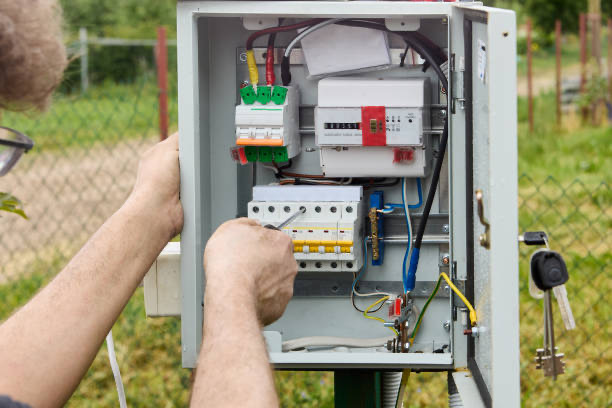
In Adelaide, where households and businesses increasingly depend on electricity for daily living and operations, switchboard upgrades Adelaide are no longer optional—they are essential. The switchboard, often called the heart of your electrical system, distributes power safely throughout your property. Unfortunately, many older Adelaide homes and commercial spaces still operate on outdated switchboards that struggle to meet today’s electrical demands. While delaying an upgrade might seem like a cost-saving measure, the long-term consequences—both financial and safety-related—can be severe.

Why Switchboard Upgrades Are Essential

Switchboard upgrades replace old fuse boxes or outdated electrical panels with modern systems that comply with today’s safety standards. These modern switchboards include circuit breakers and Residual Current Devices (RCDs), which protect against overloads, short circuits, and electrical shocks.

For Adelaide homeowners and business owners, an outdated switchboard not only poses risks of power surges and fire hazards but can also damage expensive appliances. Ignoring these risks may save money temporarily, but it often leads to far greater expenses and dangers down the line.

The Hidden Costs of Delaying Switchboard Upgrades

1. Increased Risk of Electrical Fires

Older switchboards were never designed to support the number of appliances, devices, and technologies common in Adelaide homes today. Overloaded circuits can overheat, sparking electrical fires. The cost of repairing fire damage is far greater than investing in a professional upgrade—and that doesn’t include the devastating risk to lives.

2. Frequent Power Outages and Tripping

If your switchboard regularly trips, it’s a sign it cannot handle your current power load. For Adelaide businesses, this could mean downtime, lost productivity, and dissatisfied customers. For households, it causes constant inconvenience and potential damage to electrical devices.

3. Higher Energy Bills

Outdated switchboards often operate inefficiently, leading to wasted energy and increased power bills. By delaying an upgrade, Adelaide residents may be unknowingly paying more each month for electricity.

4. Damage to Appliances and Devices

Power surges from an inadequate switchboard can destroy costly items like computers, refrigerators, TVs, or smart home devices. Replacing these items adds up quickly—often costing more than a switchboard upgrade itself.

5. Insurance and Compliance Problems

Many Adelaide insurers require properties to meet modern electrical safety standards. An outdated switchboard may void insurance coverage in the event of a fire or accident. Likewise, properties that don’t meet compliance standards may face issues when selling, renting, or leasing.

Safety Risks That Can’t Be Ignored

Delaying switchboard upgrades isn’t just about money—it’s about safety. Older fuse boxes typically lack RCDs, which are vital in preventing electric shocks. Without them, the risk of serious injury or even death rises significantly. For Adelaide families with children or elderly relatives, or businesses responsible for staff and clients, this is a risk that should never be taken.

The Cost of a Switchboard Upgrade in Adelaide

The cost of switchboard upgrades in Adelaide varies depending on the property size, complexity of the system, and any extra work required, such as rewiring. On average, upgrades can range from several hundred to a couple of thousand dollars. While this may seem like a significant expense, it is far cheaper than dealing with fire damage, equipment loss, or voided insurance claims.

Seen as an investment, switchboard upgrades provide long-term financial savings and peace of mind.

The Benefits of Upgrading Now

For Adelaide residents and businesses, upgrading a switchboard today provides immediate and future benefits:

  • Peace of mind knowing your system is compliant with modern standards.
  • Lower energy costs thanks to improved efficiency.
  • Protection of valuable electronics from power surges.
  • Higher property value for those planning to sell or rent.
  • Future readiness for solar panels, smart home systems, and electric vehicle chargers.

Signs It’s Time for a Switchboard Upgrade

If you’re in Adelaide and unsure whether you need an upgrade, look out for these red flags:

  • Old fuse systems instead of modern circuit breakers.
  • Burning smells, buzzing noises, or visible damage near the switchboard.
  • Frequent tripping or power interruptions.
  • Lights that flicker when multiple appliances are used.
  • No safety switches (RCDs) present.

If these issues sound familiar, it’s time to contact a licensed Adelaide electrician for an inspection.

Final Thoughts

For Adelaide households and businesses, delaying switchboard upgrades can be a costly mistake. Outdated systems lead to higher bills, damaged appliances, potential insurance issues, and serious safety risks. By acting now, you can safeguard your family, staff, and property while enjoying the benefits of a modern, compliant electrical system.

An upgrade isn’t just about compliance—it’s about protecting what matters most. Don’t wait until a major issue arises. Schedule your switchboard upgrade today and enjoy the peace of mind that comes from knowing your Adelaide property is safe, efficient, and future-ready.

Open post
healthcare consulting

Healthcare Consulting: The Impact of Healthcare Consulting on Australia’s Health System Transformation in 2025

Australia’s healthcare system is undergoing a significant transformation, shaped by rapidly evolving technologies, shifting patient expectations, and increasing demands for cost-effective care delivery. At the heart of this change lies healthcare consulting, a critical driver of innovation and efficiency across the nation’s health sector. In 2025, healthcare consulting is not just a support function but a strategic partner, enabling healthcare providers, policymakers, and stakeholders to navigate complexities and accelerate system-wide improvements.


The Evolving Role of Healthcare Consulting in Australia’s Health System

healthcare consulting
the impact of healthcare consulting on australia’s health system transformation in 2025

Healthcare consulting in Australia has expanded beyond traditional advisory roles. Today, consultants are deeply embedded in health system redesign, digital transformation initiatives, and policy development. This shift reflects the growing complexity of healthcare delivery, where multidisciplinary expertise is essential to balance clinical outcomes, patient experience, and financial sustainability.


Consultants bring a unique combination of industry knowledge, data analytics capabilities, and operational expertise. Their ability to synthesise these elements helps health organisations identify gaps, optimise workflows, and implement evidence-based solutions. This evolving role positions healthcare consulting as a catalyst for transformational change, empowering Australian health systems to meet 21st-century challenges head-on.


Driving Digital Transformation Through Healthcare Consulting

One of the most visible impacts of healthcare consulting in 2025 is the acceleration of digital transformation within Australia’s healthcare sector. Digital health technologies—ranging from electronic health records (EHRs) and telehealth platforms to AI-powered diagnostics and predictive analytics—are reshaping how care is delivered and managed.


Healthcare consulting firms provide the roadmap and expertise needed to implement these technologies effectively. They conduct readiness assessments, design customised implementation strategies, and guide change management efforts to ensure adoption among clinicians and administrators. By facilitating interoperability and data integration, consultants help unlock the full potential of digital tools, enabling more accurate diagnoses, personalised treatments, and seamless patient experiences.


Furthermore, consultants assist in navigating regulatory and compliance requirements linked to digital health innovations, ensuring that patient privacy and data security remain paramount. This comprehensive support mitigates risks while maximising the return on investment in health IT infrastructure.


Enhancing Operational Efficiency and Cost Management

Rising healthcare costs remain a significant concern for Australia’s public and private sectors alike. Healthcare consulting is pivotal in helping organisations optimise resource allocation and improve operational efficiency, contributing to more sustainable health financing.


Through detailed process analyses and benchmarking studies, consultants identify inefficiencies and redundancies in clinical and administrative workflows. Their recommendations often include redesigning patient pathways, streamlining supply chain management, and adopting lean principles to reduce waste.


For example, healthcare consulting projects in hospitals may focus on reducing patient wait times, improving bed utilisation, and enhancing staff productivity. These interventions not only lower operational costs but also elevate the quality of care and patient satisfaction.

Consultants also play a crucial role in developing value-based care models, which incentivise providers to focus on outcomes rather than volume. By designing metrics and payment frameworks aligned with these models, healthcare consulting helps drive accountability and better health results at controlled costs.


Supporting Workforce Transformation and Leadership Development

The healthcare workforce in Australia is confronting unprecedented pressures, including workforce shortages, burnout, and the need for new skills in digital health and integrated care. Healthcare consulting contributes to workforce transformation by advising on talent management strategies, organisational design, and leadership development.


Consultants assess current workforce capabilities and forecast future needs, guiding recruitment, retention, and upskilling initiatives. They design training programs that prepare healthcare professionals for evolving roles and foster a culture of continuous learning and innovation.


Leadership development is another critical area where healthcare consulting adds value. Consultants facilitate leadership coaching, governance improvements, and succession planning, empowering health system leaders to drive strategic initiatives effectively and navigate complex stakeholder environments.


Conclusion:

Healthcare consulting is a driving force behind the innovation and efficiency gains transforming Australia’s health system in 2025. By leading digital transformation, optimising operations, supporting workforce and leadership development, enabling patient-centred care, and navigating complex policy environments, healthcare consulting firms empower healthcare organisations to deliver high-quality, sustainable care.


As Australia continues to navigate the challenges and opportunities of a rapidly changing health landscape, healthcare consulting will remain a vital strategic partner — ensuring that innovation translates into real-world benefits for patients, providers, and the broader community. The ongoing partnership between healthcare consulting and the Australian health system heralds a future of enhanced outcomes, efficiency, and resilience.

Consumer Mains: How to Know If Your Property Needs a Consumer Mains Upgrade

Electricity is the backbone of modern living. From powering kitchen appliances to supporting home entertainment systems and smart devices, your property’s electrical system must be reliable and safe. At the heart of this system lies the consumer mains—the cables that carry electricity from the supply point (usually the street) into your home or building. If these cables are outdated or overloaded, they can pose significant safety risks and performance issues. For homeowners in Adelaide, understanding the condition of your consumer mains is especially important given the region’s growing reliance on energy-intensive appliances and home technologies.

What Are Consumer Mains?

consumer mainsBefore diving into the warning signs, let’s clarify what consumer mains are. These are the main cables that connect your property to the power grid, typically running from the point of attachment (like a power pole or underground service pit) to your switchboard or meter box. They are responsible for delivering all the electricity your property uses on a daily basis.

Over time, these cables can deteriorate or become insufficient for modern energy demands, especially in older homes or buildings that haven’t been updated in decades.

Signs You May Need a Consumer Mains Upgrade

1. Frequent Circuit Breaker Trips

If your circuit breakers are constantly tripping, especially when using multiple appliances, this may be a sign that your consumer mains are struggling to meet demand. While faulty wiring or appliances can also be to blame, an electrician can determine whether the main supply is part of the problem.

2. Flickering or Dimming Lights

Do your lights flicker or dim when large appliances start up, like air conditioners or washing machines? It could indicate that your consumer mains are unable to deliver stable voltage due to overload or cable degradation.

3. Old or Outdated Electrical System

If your property was built before the 1980s and hasn’t undergone a major electrical upgrade, there’s a high chance your consumer mains are outdated. Older systems were not designed to handle today’s energy demands, which can lead to overheating, voltage drops, and safety issues. 

4. Renovations or Home Extensions

Planning a renovation or home extension? Adding new rooms, appliances, or lighting systems increases your energy requirements. A consumer mains upgrade ensures your system can accommodate these changes safely and efficiently.

5. Adding High-Powered Devices

If you’re planning to install a pool heater, electric vehicle charger, ducted air conditioning, or solar power system, it’s essential to ensure your consumer mains can handle the additional load. These upgrades often require larger cable capacity and may not be compatible with older setups.

6. Burning Smell or Warm Switchboards

A burning smell near your switchboard, or if it feels warm to the touch, could be a red flag. It may point to overloaded consumer mains or loose connections, which can lead to fires if left unchecked.

Why a Consumer Mains Upgrade Is Important

– Safety First

Outdated consumer mains pose a fire risk and can lead to hazardous electrical faults. Upgrading ensures your property meets modern safety standards and reduces the chance of electrical fires or electrocution.

– Better Performance

A consumer mains upgrade allows for a consistent voltage supply, preventing flickering lights, sluggish appliances, and annoying electrical interruptions.

– Compliance with Current Regulations

Electrical codes and safety standards evolve. Upgrading your consumer mains helps ensure your property remains compliant with the latest local and national electrical regulations, especially important if you plan to sell or lease the property.

– Future-Proofing Your Home

Homes today are becoming smarter and more energy-intensive. An upgraded consumer mains system prepares your property for future demands—such as electric vehicles, solar panels, and advanced home automation systems.

What’s Involved in a Consumer Mains Upgrade?

Upgrading your consumer mains is a job for licensed electricians and usually involves replacing the existing cables, upgrading the switchboard, and sometimes installing a new meter. Depending on the property and supply setup, the work might involve trenching or coordinating with your electricity provider.

Final Thoughts

Knowing when to upgrade your consumer mains can help you avoid electrical hazards, increase your home’s efficiency, and prepare for future energy needs. Whether you’re experiencing issues or planning home improvements, it’s wise to have a licensed electrician inspect your system.

A consumer mains upgrade isn’t just about keeping the lights on—it’s about ensuring your property remains safe, compliant, and capable of powering the way you live today and tomorrow.

Need help assessing your electrical system? Contact a qualified electrician to determine if your consumer mains need an upgrade. Don’t wait for problems to escalate—take charge of your home’s electrical safety and performance today.

MHF Consultant: Navigating Safety and Compliance in High-Risk Industries

In Australia’s high-risk industries—such as chemicals, energy, and petrochemicals—the role of an MHF consultant (Major Hazard Facilities consultant) has become increasingly vital. As regulatory expectations tighten and operational risks grow more complex, companies operating Major Hazard Facilities rely on expert guidance to remain compliant and, more importantly, safe. Whether you’re running a gas processing plant in Western Australia or a chemical manufacturing facility in Victoria, engaging a skilled MHF consultant is no longer optional—it’s a strategic necessity.

Understanding Major Hazard Facilities in the Australian Context

MHF consultantMajor Hazard Facilities are industrial sites that store, process, or handle large quantities of hazardous materials, including flammable gases, toxic chemicals, and explosives. In Australia, these sites are governed by strict Work Health and Safety (WHS) regulations, particularly the Model WHS Regulations Chapter 9, which outlines specific requirements for licensing, safety cases, and emergency planning.

Australia’s regulatory landscape requires MHF operators to demonstrate rigorous safety management systems, conduct comprehensive hazard assessments, and submit detailed Safety Case documentation. It is where an MHF consultant brings indispensable value, offering the expertise and resources necessary to navigate these regulatory demands while aligning safety with operational goals.

The Core Responsibilities of an MHF Consultant

An MHF consultant’s primary role is to support facility operators through the lifecycle of regulatory compliance, from hazard identification to post-incident reviews. Their key services typically include:

  • Safety Case Development: Assisting in the preparation of Safety Cases, which must clearly articulate the facility’s risk controls, safety management systems, and emergency response plans.
  • Quantitative Risk Assessment (QRA): Conducting detailed modelling and analysis to quantify the risks of hazardous events.
  • Hazard Identification (HAZID) and HAZOP Studies: Leading workshops and engineering reviews to identify potential failure points.
  • Regulator Liaison: Communicating with state or territory regulators such as SafeWork NSW, WorkSafe Victoria, or WorkSafe WA on behalf of facility operators.
  • Training and Competency Management: Ensuring that operational staff are trained and competent in line with MHF-specific protocols.

In industries where even a small oversight can lead to catastrophic consequences, the role of an MHF consultant is not just about paperwork—it’s about safeguarding people, assets, and communities.

Regulatory Variation Across States and Territories

While Australia follows a harmonised WHS framework, each state and territory has its own MHF licensing and enforcement body. It makes localised expertise critical. For example:

  • Victoria: Governed by WorkSafe Victoria under the Occupational Health and Safety Regulations 2017, which diverge slightly from the national model.
  • New South Wales: Administered by SafeWork NSW with specific requirements for Security Sensitive Dangerous Substances (SSDS).
  • Western Australia: Regulated under the WHS (MHF) Regulations 2022, which align with the national model but also integrate local environmental and mining-specific considerations.

Why Australian Operators Are Seeking MHF Consultants Earlier

A noticeable trend in recent years is the early engagement of MHF consultants—sometimes even during the design or expansion phase of a facility. This proactive approach allows companies to embed risk mitigation strategies into their design and operational philosophy, rather than retrofitting controls later.

By engaging an MHF consultant early, operators can avoid costly redesigns, streamline the licensing process, and build stakeholder confidence from the outset.

The Future of MHF Consulting in Australia

Looking ahead, several factors will shape the evolution of MHF consulting in Australia:

  • Emerging technologies such as hydrogen fuel and battery storage systems will introduce new hazards and regulatory challenges.
  • Climate change impacts, including increased bushfire risks and extreme weather events, will necessitate updates to emergency response planning in facilities.
  • ESG (Environmental, Social, and Governance) criteria are increasingly influencing operational decision-making, with MHF consultants expected to play a larger role in aligning risk management with sustainability goals.

The future MHF consultant will not only be a safety and compliance expert but also a strategic advisor helping facilities balance risk, innovation, and resilience.

Selecting the Right MHF Consultant in Australia

Choosing an MHF consultant isn’t merely about ticking a regulatory box—it’s about building a partnership based on trust, technical excellence, and industry experience. Companies should look for consultants with:

  • Proven experience in their specific industry (e.g., oil & gas, chemicals, pharmaceuticals).
  • A strong track record with local regulators.
  • Cross-disciplinary teams that include engineers, risk analysts, and legal advisors.
  • A client-centric approach that focuses on both compliance and operational efficiency.

In Australia’s evolving regulatory landscape, the right MHF consultant can mean the difference between a smooth audit and a shutdown order, or between a near miss and a major disaster.

Conclusion

As Australia’s industrial landscape becomes more complex and interconnected, the demand for specialised MHF consultants continues to grow. These professionals do more than just help companies check boxes—they provide the strategic insight, technical rigour, and regulatory expertise needed to keep high-risk operations safe, legal, and future-ready. For any business operating in or entering the realm of Major Hazard Facilities, partnering with a knowledgeable MHF consultant is not just a best practice—it’s a business imperative.

CCL Tear in Dogs: Understanding the Benefits of CCL Tear Surgery in Dogs

A cranial cruciate ligament (CCL) tear in dogs is one of the most common orthopedic injuries. Similar to the anterior cruciate ligament (ACL) in humans, the CCL in dogs stabilises the knee joint. When this ligament is damaged, it can cause significant pain and mobility issues. While non-surgical treatments are available, pet owners in Portland find that CCL tear in dogs surgery often provides the most effective solution for long-term recovery and improved quality of life.

What is a CCL Tear in Dogs?

CCL tear in dogs surgeryThe cranial cruciate ligament (CCL) is located in the knee joint, connecting the femur (thigh bone) to the tibia (shin bone). It prevents the tibia from sliding forward relative to the femur and stabilises the knee during movement. A CCL tear can occur suddenly due to trauma or gradually due to degeneration over time. Symptoms of a CCL tear in dogs include limping, difficulty standing, pain, and swelling in the affected knee.

Diagnosis and Initial Treatment

When a dog exhibits signs of a CCL tear, a veterinarian will typically perform a physical examination and may use imaging techniques like X-rays or MRI to confirm the diagnosis. In some cases, non-surgical treatments such as rest, weight management, and physical therapy may be recommended.

Benefits of CCL Tear Surgery in Dogs

1. Restored Mobility

One of the most immediate benefits of CCL tear in dogs surgery is the restoration of mobility. Surgical intervention stabilises the knee joint, allowing dogs to regain their excellent ability to walk, run, and play without the hindrance of pain or instability. This improvement in mobility significantly enhances the dog’s overall quality of life.

2. Pain Relief

A torn CCL can cause chronic pain due to the instability it creates in the knee joint. Over time, this can lead to arthritis and further degeneration. CCL tear surgery alleviates this pain by stabilising the joint, reducing inflammation, and preventing further joint damage. Post-surgery, dogs typically experience a significant reduction in pain, allowing them to resume normal activities comfortably.

3. Prevention of Further Damage

Without surgical intervention, a CCL tear can lead to additional injuries. The instability in the knee joint can cause damage to other structures within the joint, such as the meniscus, and increase the risk of arthritis. By opting for surgery, pet owners in Portland can prevent these complications and significantly ensure the long-term health of their dog’s knee joint.

4. Improved Long-Term Prognosis

Dogs that undergo CCL tear surgery generally have a better long-term prognosis compared to those managed with conservative treatments alone. Surgical repair provides a permanent solution to the problem, whereas non-surgical options may only offer temporary relief. With proper post-operative care, many dogs return to their pre-injury level of activity and enjoy many more active years.

5. Increased Activity Levels

After recovering from surgery, dogs are often able to resume higher levels of activity than they could with a torn CCL. This increased activity not only improves physical health but also mental well-being, as dogs can engage in the exercises and playtime they enjoy. It leads to a happier, healthier life overall.

Types of CCL Tear Surgery

Several surgical options are available for repairing a CCL tear in dogs, including:

  • Tibial Plateau Leveling Osteotomy (TPLO): This procedure changes the angle of the tibial plateau, effectively reducing the need for the CCL to stabilise the joint.
  • Tibial Tuberosity Advancement (TTA): Similar to TPLO, TTA realigns the knee joint to prevent the tibia from sliding forward.
  • Extracapsular Repair (Lateral Suture Technique): This technique uses a suture outside the joint to mimic the function of the CCL, stabilising the knee.

The choice of surgery signfiicantly depends on several factors, including the dog’s size, age, activity level, and the extent of the injury. A veterinarian will recommend the most suitable procedure based on these considerations.

Post-Surgery Care and Rehabilitation

Successful recovery from a CCL tear in dogs surgery requires diligent post-operative care. It typically involves restricted activity, pain management, and physical therapy. Gradual reintroduction to normal activities helps ensure the surgery’s success and minimises the risk of re-injury.

Conclusion

CCL tear in dogs surgery offers numerous benefits, including restored mobility, pain relief, prevention of further joint damage, and an improved long-term prognosis. While the decision to proceed with surgery can be daunting for pet owners, the potential for a full recovery and a return to normal, active life makes it a worthwhile consideration. Consulting with a veterinarian can significantly help determine the best treatment approach for a dog suffering from a CCL tear, ensuring the best possible outcome for its furry friend.

Adelaide Landscaping: Transform Your Outdoor Space

Landscaping in Adelaide, SA, offers homeowners the chance to enhance their outdoor spaces, blending aesthetic appeal with functionality. With Adelaide’s unique climate and diverse flora, landscaping here requires a balance of creativity, sustainability, and practicality. For more information about the landscaping cost, click here.

Why Landscaping is Essential in Adelaide

landscaping costAdelaide’s Mediterranean climate, characterised by hot summers and mild winters, makes it ideal for outdoor living. Landscaping not only improves the curb appeal of your property but also optimises your outdoor area for entertaining, relaxation, and environmental benefits.

Benefits of Landscaping in Adelaide

Enhances Property Value

A well-designed landscape can increase your home’s market value by up to 20%. Prospective buyers are often drawn to properties with visually appealing and functional outdoor spaces.

Promotes Sustainability

By choosing native plants and incorporating water-efficient irrigation systems, landscaping in Adelaide can help conserve water while supporting local biodiversity.

Improves Outdoor Living

Adelaideans love spending time outdoors. Whether it’s a barbecue area, a cozy fire pit, or a lush garden retreat, landscaping can transform your yard into a versatile space for leisure and entertainment.

Boosts Well-Being

Green spaces have been shown to reduce stress and enhance overall well-being. Landscaping in Adelaide ensures you have a serene environment to escape to after a long day.

Popular Landscaping Trends in Adelaide

As preferences shift towards sustainability and modern aesthetics, several trends have emerged in landscaping across Adelaide:

Native Plant Landscaping

Adelaide is home to a variety of native plants, such as kangaroo paw, bottlebrush, and eucalyptus. Incorporating these into your landscape not only celebrates the region’s natural beauty but also ensures your garden thrives with minimal maintenance.

Drought-Tolerant Designs

Given Adelaide’s dry summers, xeriscaping—landscaping that reduces the need for irrigation—has gained popularity. Succulents, gravel paths, and hardy shrubs are excellent choices for a water-efficient garden.

Outdoor Living Spaces

From alfresco dining areas to outdoor kitchens, Adelaide homeowners are increasingly investing in functional outdoor spaces. Incorporating pergolas, shade sails, and comfortable seating can extend your living area into the garden.

Vertical Gardens and Green Walls

For smaller yards, vertical gardens provide a stunning solution to maximise greenery without taking up valuable space. These are particularly popular in urban Adelaide properties.

Sustainable Materials

Landscapers in Adelaide are embracing sustainable materials like recycled timber, natural stone, and permeable pavers to create eco-friendly designs.

Tips for Successful Landscaping in Adelaide

Plan According to Climate

When selecting plants and materials, consider Adelaide’s weather patterns. Opt for drought-resistant plants and mulch your garden beds to retain moisture during the summer months.

Work with the Natural Landscape

Adelaide’s terrain varies from coastal plains to the Adelaide Hills. Use your property’s natural contours to your advantage, whether by creating terraces on a slope or installing a rock garden.

Choose Professional Landscaping Services

Hiring a local landscaping expert ensures your garden is designed with Adelaide’s unique climate and soil conditions in mind. Professionals can also help with council regulations and permits for larger projects.

Incorporate Smart Irrigation Systems

Water is a precious resource in Adelaide. Install drip irrigation systems or smart sprinklers to ensure efficient water usage while keeping your garden lush.

Landscaping Services in Adelaide

If you’re ready to revamp your outdoor space, professional landscaping services in Adelaide can bring your vision to life. Many local landscapers offer a comprehensive range of services, including:

  • Garden Design: Tailored designs to suit your space, style, and budget.
  • Hardscaping: Construction of pathways, patios, and retaining walls.
  • Plant Selection and Installation: Expert advice on the best plants for your garden.
  • Irrigation Systems: Installation and maintenance of water-efficient systems.
  • Garden Maintenance: Ongoing care to keep your landscape in pristine condition.

Choosing the Right Landscaper in Adelaide

When selecting a landscaping service, look for a company with a solid reputation, extensive experience, and knowledge of local conditions. Read customer reviews, request a portfolio of previous projects, and ensure they’re transparent about pricing and timelines.

Conclusion:

Landscaping in Adelaide, SA, is more than beautifying your property—it’s about creating a functional and sustainable outdoor space that enhances your lifestyle. By embracing local trends, working with skilled landscapers, and planning with Adelaide’s climate in mind, you can transform your garden into a stunning retreat.

Whether you’re looking to improve your home’s value, create a personal oasis, or make eco-friendly choices, landscaping is the key to achieving your goals.

Employer Sponsored Migration: Why Hiring Experts for Employer-Sponsored Migration Ensures a Seamless Process

Employer sponsored migration can be a valuable opportunity for businesses and skilled workers in Australia. For businesses, it opens the door to hiring qualified employees from across the globe, helping fill skill shortages and improve workforce diversity. For employees, it provides a pathway to work and live in a new country. However, the process of obtaining an employer-sponsored visa can be complex, time-consuming, and fraught with potential pitfalls. It is where hiring experts for employer-sponsored migration becomes essential in ensuring a smooth and seamless process.

Understanding Employer-Sponsored Migration

employer sponsored migrationEmployer-sponsored migration refers to a situation where a business sponsors a foreign worker to come and work in their home country. Common examples include the Temporary Skill Shortage (TSS) visa, the Employer Nomination Scheme (ENS), and the Regional Sponsored Migration Scheme (RSMS). These visas allow foreign workers to fill specific roles that are in high demand within the local economy.

However, applying for these visas requires strict compliance with government regulations, documentation, and eligibility criteria. Businesses must demonstrate that they are unable to fill the position locally and meet labour market testing requirements. Similarly, employees must meet the necessary qualifications and experience.

Navigating this complex framework without expert guidance can lead to costly delays, rejection of applications, or even legal consequences.

The Benefits of Hiring Experts for Employer-Sponsored Migration

Expert Knowledge of Migration Laws and Policies

Migration laws are constantly changing. Government policies around employer-sponsored visas may be updated regularly to reflect changes in labour markets, immigration priorities, or political decisions. For businesses and individuals unfamiliar with these changes, keeping up with the latest regulations can be overwhelming.

Hiring a migration expert ensures you have access to up-to-date information about visa eligibility, requirements, and any recent policy changes. These professionals specialise in understanding the nuances of employer-sponsored migration, and their expertise ensures that applications are prepared according to current regulations, avoiding unnecessary errors.

Streamlining the Application Process

The application process for employer-sponsored visas involves gathering and submitting numerous documents, such as proof of employment, qualifications, financial records, and evidence of labour market testing. Without prior experience, applicants and employers can easily miss important details, resulting in delays or rejections.

Migration experts know exactly what documentation is required and how to organise it effectively. They can guide employers and employees through each step of the process, from compiling necessary paperwork to submitting it correctly and on time. This efficiency helps avoid the common pitfalls associated with incomplete or incorrect applications.

Reducing the Risk of Visa Rejection

One of the biggest concerns for both employers and foreign workers is the potential rejection of a visa application. Even a small mistake in the application process can lead to rejection or a significant delay. A rejected visa not only disrupts business operations but can also damage the morale of prospective employees and incur financial losses for the company.

Hiring an expert reduces the likelihood of these issues. Migration specialists are experienced in identifying potential red flags and ensuring that all criteria are met before submission. By presenting a strong and well-documented case to immigration authorities, migration experts maximise the chances of success for employer-sponsored migration applications.

Time and Cost Savings

While it may seem like an additional expense to hire a migration expert, doing so can actually save both time and money in the long run. Navigating the migration process without professional assistance often results in delays, rejections, or the need to resubmit applications—all of which can incur significant costs for businesses.

Ensuring Compliance and Avoiding Legal Risks

Non-compliance with migration laws can lead to serious consequences for businesses. Failing to meet legal requirements for labour market testing, sponsoring unauthorised employees, or providing incorrect information on visa applications can result in fines, legal penalties, and damage to a company’s reputation. In some cases, businesses may even be barred from sponsoring future employees.

Conclusion

Employer-sponsored migration offers tremendous benefits for businesses looking to access global talent and for skilled workers seeking new opportunities. However, the complexity of the visa application process can be challenging without professional assistance. By hiring experts in employer-sponsored migration, businesses and employees in Australia can streamline the process, reduce the risk of rejection, and ensure compliance with all legal requirements.

In the fast-paced world of immigration and employment, having an expert by your side not only guarantees a seamless process but also gives both employers and workers peace of mind.

Posts navigation

1 2 3
Scroll to top