
Search engine optimisation (SEO) increases the quality and quantity of traffic to websites or web pages from search engines, including search engines such as Google. SEO Adelaide is integral to online marketing as it gives companies access to potential customers without paying for ad space.
Like library indexes, search engines gather information about pages and rank them based on how well they answer search queries. This data is collected by computer programs called search bots, web crawlers, and spiders explicitly designed to look for certain attributes within pages.
Keywords
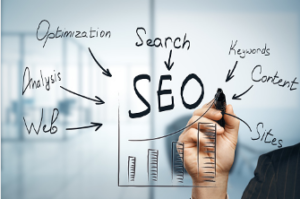 Keywords provide an introduction into what your content covers, while the right keyword could lead to higher-ranking search engine results pages (SERPs), leading to more traffic and leads for your business.
Consider your audience when selecting keywords; their search intent can give much information on what content to create and optimise and indicate how competitive your keywords may be. There are four broad categories of search intent – informational, navigational, commercial and transactional.
Ideally, keywords should be sprinkled throughout your website content naturally and not too frequently; Google and other search engines penalise websites that use too many keywords; overusing them will harm both the readability and credibility of your text.
When creating content, try to incorporate your target keywords in titles, headers, meta descriptions and image alt text as much as possible. It is also essential that they intuitively add value for readers. They should also appear in the first paragraph of normal text on any page or post.
Metadata
Metadata, or data that describes other data, is an integral component of search engine optimisation (SEO). Businesses use metadata to gain control over how their content appears when displayed in search results or shared on social media. They also provide them with a standard way and vocabulary to discuss it with clients and prospects. It can be structured and delivered in many forms, including tags that identify information inserted into website codes for search engines to read when ranking websites based on relevance.
One example of metadata is a webpage title tag, which informs search engines what the page is about and should include keywords that describe its content. Another type of metadata has image alt attributes which provide details about images so search engines can better interpret their contents.
Search engines like Google use algorithms to assess pages’ relevancy to specific search queries. These algorithms use information within each webpage, such as its title tag and textual content, to determine; the more relevant a page is to user queries, the higher it will appear in search engine results.
On-page optimisation
On-page optimisation seeks to increase individual web pages’ rankings in search engine results pages (SERPs). It is accomplished using specific keywords, HTML tags and page content – making on-page SEO Adelaide an integral component of any website, but it should not be seen as the only means of increasing visibility online – link building and social media marketing can also play a role in increasing a website’s presence within SERPs.
On-page optimisation includes keyword research, meta tag creation, URL structure setup and heading tags. But the primary purpose of on-page SEO Adelaide lies in ensuring your web pages are relevant to queries used by target customers to locate your products or services – this means including pertinent keywords in title tags and meta descriptions of your web pages.
On-page optimisation involves techniques designed to enhance a website’s user experience. It could mean creating helpful, informative content tailored to your target audience or using techniques like compression, JavaScript and caching that increase load times – often overlooked but can have an enormous impact on performance and search engine result pages.
Link building
High-quality link building is one of the most efficient strategies for increasing search engine rankings. Determining broken links on other websites and offering to replace them with your link can be the key to building high-quality backlinks, whether using tools such as the broken link checker or manually searching. Just be wary not to spam because Google penalises link spamming sites. Links must also be built naturally without harming reputation or diminishing it.