
In industrial settings, safety is paramount. One critical aspect often overlooked is the design and functionality of hatches access features. These hatches are integral to various industries, including manufacturing, shipping, and construction, providing necessary access to confined spaces, storage areas, and machinery. Ensuring that these access points are safe, reliable, and efficient is crucial. Here, we explore the essential hatch access features that enhance safety and operational efficiency in industrial environments.
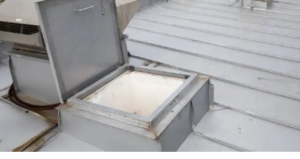 Robust Construction Materials
The choice of materials for hatch access covers is fundamental to their durability and safety. Industrial hatches are often subjected to harsh environments, including extreme temperatures, corrosive chemicals, and heavy loads. Therefore, materials like stainless steel, aluminium, and high-strength composites are commonly used. These materials offer excellent resistance to corrosion, impact, and wear, ensuring that the hatches maintain their integrity over time.
Stainless steel, for instance, is highly resistant to corrosion and can withstand significant weight, making it ideal for environments where chemical exposure is common. Aluminium, while lighter, still provides substantial strength and is often used in applications where weight reduction is a priority without compromising durability.
Secure Locking Mechanisms
Safety in industrial settings hinges on preventing unauthorised access and accidental openings. Secure locking mechanisms are essential hatch access features that address these concerns. There are several types of locking systems, including key locks, padlocks, and electronic locks, each offering varying degrees of security.
Key locks and padlocks are traditional methods that provide straightforward security. For higher security needs, electronic locks with keycards or biometric access control can be implemented. These advanced systems not only enhance security but also allow for tracking and monitoring access, ensuring only authorised personnel can open the hatches.
Load-Bearing Capacity
Industrial hatches often need to support heavy equipment and personnel. Thus, the load-bearing capacity of hatch access covers is a critical safety feature. The hatches must be designed to withstand the maximum expected load without deformation or failure. It involves rigorous testing and compliance with industry standards to ensure they can handle the stresses imposed by heavy machinery, vehicles, or foot traffic.
Anti-Slip Surfaces
Safety isn’t just about preventing unauthorised access; it also involves minimising the risk of accidents for authorised personnel. Anti-slip surfaces on hatch covers are crucial in preventing slips and falls, especially in environments where moisture, oil, or other substances might make surfaces slippery.
These anti-slip features can include textured surfaces, coatings, or integrated tread patterns designed to provide maximum traction. By reducing the risk of slips, these features help maintain a safer working environment and prevent workplace injuries.
Easy and Safe Operation
Another vital aspect of Hatches’ access features is the ease of operation. Industrial hatches should be designed for quick and safe opening and closing, reducing the physical strain on workers. Features like counterbalanced covers, gas struts, and spring-assisted mechanisms can significantly reduce the effort required to lift and secure the hatches.
Counterbalanced covers, for example, use a system of weights to balance the hatch cover, allowing it to be opened and closed with minimal force. Gas struts provide a similar function by using compressed gas to support the cover’s weight. These features are particularly important in preventing injuries related to heavy lifting and repetitive strain.
Clear Markings and Signage
Proper signage and markings are essential for identifying hatch locations and providing safety instructions. Hatches should be clearly marked with appropriate signage indicating their purpose, load capacity, and any specific safety warnings. It helps ensure that personnel are aware of the correct procedures for using the hatches and the potential hazards involved.
Emergency Access and Egress
In industrial settings, hatches often serve as critical points for emergency access and egress. In case of an emergency, these hatches need to be easily accessible and operable from both sides. Features like panic bars, quick-release mechanisms, and illuminated exit signs are essential in ensuring that personnel can swiftly and safely exit the area.
Conclusion
In conclusion, the safety and functionality of hatch access features in industrial settings are paramount. By incorporating robust materials, secure locking mechanisms, high load-bearing capacities, and anti-slip surfaces and ensuring compliance with safety standards, industries can create safer working environments. Additionally, easy operation, clear markings, and emergency access features further enhance the safety and efficiency of hatch access points. Prioritising these essential hatches access features not only protects workers but also optimises operational efficiency, making safety an integral part of industrial design and management.