
Severe weather in the Adelaide Hills can turn healthy trees into immediate hazards, especially after high winds, heavy rain, or lightning strikes. In these situations, knowing when to contact an emergency tree arborist can make the difference between preventing property damage and facing costly structural repairs. Property owners often underestimate how unstable storm-affected trees can be, even when they appear upright.
This guide explains how emergency tree services work, when they are needed, and what Adelaide Hills residents should expect when dealing with urgent tree hazards.
Understanding Storm-Related Tree Hazards in Adelaide Hills
The Adelaide Hills region is known for its dense vegetation, elevated terrain, and exposure to fast-changing weather systems. These conditions increase the likelihood of tree failure during storms.
Common storm-related hazards include:
● Partially uprooted trees leaning toward homes or roads
● Large broken limbs suspended in the canopy (“hangers”)
● Root plate lifting caused by saturated soil
● Cracked trunks that are structurally compromised
● Fallen trees blocking driveways or access routes
When any of these situations occur, an emergency tree arborist is often required immediately to assess risk and begin safe removal or stabilisation.
Ignoring these risks can lead to secondary failures hours or even days after the storm has passed, particularly in eucalyptus-dominant areas common across the Adelaide Hills.
When You Need an Emergency Tree Arborist
Not every damaged tree requires urgent intervention, but certain conditions should be treated as high priority.
You should contact an emergency tree arborist if:
● A tree or large limb is in contact with your home, garage, or power lines
● The tree is leaning suddenly after a storm
● Cracks are visible in the trunk or major branches
● Roots have lifted from the soil, and the tree is unstable
● A tree is blocking emergency access or public roads
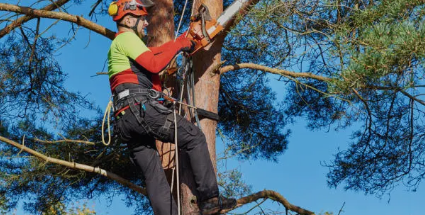
In these cases, delaying action increases the risk of sudden collapse. Arborists trained in emergency response use specialised rigging systems, climbing equipment, and mechanical removal techniques to reduce danger during extraction.
What Happens During an Emergency Tree Response
When an emergency call is made, a qualified tree expert typically follows a structured assessment and response process.
1. Rapid Site Assessment
The arborist evaluates the tree’s stability, surrounding structures, and immediate risk factors. This determines whether the tree can be stabilised or must be removed.
2. Risk Mitigation
Temporary measures, such as bracing, cabling, or sectional limb removal, may be used to prevent further collapse.
3. Controlled Removal
If removal is necessary, the tree is dismantled in sections using ropes, rigging, and mechanical support systems to ensure no damage to nearby property.
4. Site Clearance
Debris is cleared to restore access and remove ongoing hazards such as unstable branches or obstructed driveways.
In Adelaide Hills, where steep slopes and dense vegetation often surround properties, precision is critical during every stage of the process.
Why Local Expertise Matters in the Adelaide Hills
Tree management in this region differs from that in flat urban environments. Local knowledge plays a major role in safe and effective emergency response.
An experienced emergency tree arborist in the Adelaide Hills understands:
● Soil instability in sloped terrain after rainfall
● The behaviour of native species like stringybark and gum trees under stress
● Access limitations on rural or semi-rural properties
● Bushfire-prone vegetation management requirements
● Council regulations regarding protected trees
This expertise ensures that emergency decisions are both safe and compliant with local environmental guidelines.
Risks of Delaying Emergency Tree Work
Postponing action after storm damage can significantly increase danger. Trees that appear stable may deteriorate quickly due to internal structural failure or ongoing soil movement.
Potential consequences include:
● Sudden collapse without warning
● Damage to roofs, fences, and vehicles
● Electrical hazards if power lines are involved
● Blocked emergency evacuation routes
● Increased removal costs due to worsening instability
A qualified emergency tree arborist can reduce these risks by intervening early and stabilising or removing dangerous trees before secondary damage occurs.
Preventative Measures to Reduce Emergency Situations
While not all storm damage can be prevented, regular tree maintenance significantly reduces emergency incidents.
Preventative strategies include:
● Routine canopy pruning to reduce wind resistance
● Structural assessment of mature or leaning trees
● Removal of dead or decaying limbs
● Root zone monitoring for signs of soil movement
● Early intervention for pest or disease-affected trees
Homeowners in the Adelaide Hills should schedule regular inspections, particularly before storm seasons, to minimise the need for emergency intervention.
Choosing the Right Emergency Tree Arborist
Selecting a qualified professional is essential during urgent situations. Not all tree services are equipped for high-risk removal work.
Look for:
● Certified arboricultural qualifications
● 24/7 emergency response availability
● Experience with large native trees and complex terrain
● Proper insurance coverage for high-risk work
● Use of modern rigging and safety systems
A reliable emergency tree arborist should be able to provide clear risk explanations and immediate action plans upon arrival.
Conclusion
Storm events in the Adelaide Hills can quickly transform trees into serious hazards. Knowing when to call an emergency tree arborist ensures that risks are managed safely and efficiently, protecting both property and people. With the region’s challenging terrain and unpredictable weather, rapid professional response is not just helpful—it is essential.
By understanding warning signs, acting quickly, and relying on qualified arborists, homeowners can significantly reduce damage and restore safety after severe weather events.