
Baler twine is an indispensable tool in agriculture, especially when it comes to hay and silage production. As a critical component in the baling process, baler twine ensures that crops are securely bundled and preserved for future use. Understanding its importance and the different types available can help farmers and producers make informed decisions, ensuring efficiency and quality in their operations. For an Industrial Baler twine, click here.
What is Baler Twine?
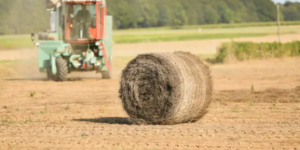 Baler twine is a robust and durable cord used to bind bales of hay, straw, and other forage crops. It plays a crucial role in the baling process, holding the bales together to maintain their shape and compactness. The twine is designed to withstand the pressures of baling and the stresses of handling and transportation, ensuring that the bales remain intact until they reach their final destination.
Types of Baler Twine
Baler twine comes in various types and materials, each suited to different needs and applications. Understanding these types can help you choose the best option for your specific requirements.
Polypropylene Twine
Polypropylene is one of the most popular materials used for baler twine. Known for its high strength and durability, polypropylene twine is resistant to moisture and UV rays, making it ideal for outdoor use. It is lightweight and cost-effective, offering excellent performance in both round and square balers.
Jute Twine
Jute twine is a natural fibre option that is biodegradable and environmentally friendly. While it may not be as strong as polypropylene, it is suitable for lighter baling tasks and is often used in organic farming where environmental impact is a concern. Jute twine is also preferred for its traditional aesthetic and ease of handling.
Synthetic Twine
Synthetic twine is another option that combines the benefits of various materials to enhance strength and durability. It often incorporates a blend of fibres to provide superior performance in extreme conditions. Synthetic twine is resistant to wear and tear, making it a reliable choice for high-volume baling operations.
Choosing the Right Baler Twine
Selecting the proper baler twine involves considering several factors:
Baler Type
Different balers require specific types of twine. Round balers generally use thicker twine, while square balers need thinner, stronger twine. Ensure that the twine you choose is compatible with your baler’s specifications.
Crop Type
The type of crop being baled also affects the choice of twine. For example, heavier crops like hay and straw may require stronger twine to handle the added pressure, whereas lighter crops may do well with standard twine.
Weather Conditions
Consider the weather conditions in your area. If you are baling in an environment with high humidity or frequent rainfall, opt for moisture-resistant twine to prevent weakening and deterioration.
Benefits of High-Quality Baler Twine
Investing in high-quality baler twine offers several benefits:
Enhanced Durability
High-quality twine ensures that your bales remain intact throughout handling and transportation. It reduces the risk of bales falling apart or becoming damaged, leading to less waste and increased efficiency.
Increased Efficiency
Durable twine minimises the need for frequent re-stringing and maintenance. It allows for a smoother and more efficient baling process, saving time and labour.
Cost-Effectiveness
While high-quality twine may come at a higher initial cost, it often proves to be more cost-effective in the long run. Its durability reduces the frequency of replacements, leading to lower overall costs.
Proper Storage and Handling
In maximising the lifespan of baler twine, proper storage and handling are essential:
- Store in a Dry Place: Keep twine in a dry, cool area to prevent moisture absorption, which can weaken the fibres.
- Avoid Direct Sunlight: Prolonged exposure to UV rays can degrade the twine, so store it away from direct sunlight.
- Handle with Care: Proper handling reduces the risk of tangles and damage. Avoid dropping or rough handling of the twine.
Conclusion:
Baler twine is critical to the efficient production of hay and silage. Understanding the different types of twine available and selecting the right one for your needs can significantly impact the quality and durability of your bales. By choosing high-quality twine and adhering to proper storage and handling practices, you can ensure that your baling operations run smoothly and effectively.