
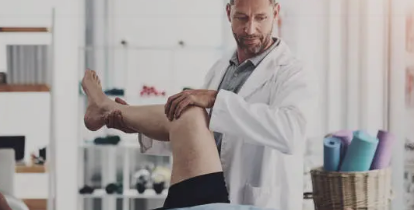
Recovering the ability to walk efficiently after a neurological injury requires structured rehabilitation, progressive loading, and task-specific retraining. At clinics such as those offering Semaphore physio, clinicians focus on restoring gait patterns affected by conditions like stroke, traumatic brain injury, multiple sclerosis, and spinal cord injury. In the coastal community of Semaphore, South Australia, access to targeted physiotherapy services is essential for individuals aiming to regain independence and mobility after neurological compromise.
Gait impairment is one of the most common and functionally limiting consequences of neurological injury. It often presents as reduced step length, poor weight transfer, asymmetry, muscle weakness, spasticity, and impaired balance. Effective rehabilitation must therefore address both the neuromuscular deficits and the motor learning components required for efficient ambulation.
Understanding Neurological Gait Dysfunction
Neurological injuries disrupt the central nervous system’s ability to coordinate movement. Depending on lesion location and severity, patients may experience:
● Hemiparetic gait (common after stroke)
● Ataxic gait (often seen in cerebellar disorders)
● Spastic gait patterns
● Reduced proprioception and balance control
Rehabilitation in Semaphore, SA typically begins with a comprehensive gait assessment. This includes observational analysis, strength testing, balance evaluation, and sometimes instrumented gait analysis. Clinicians working in Semaphore physio settings use this data to design individualised treatment programs that target specific deficits.
Key Principles of Gait Rehabilitation
Modern neurorehabilitation is grounded in neuroplasticity—the brain’s ability to reorganise and form new neural connections through repetition and task-specific training. This principle is central to improving walking ability after neurological injury.
Core rehabilitation strategies include:
1. Task-Specific Gait Training
Repetitive practice of walking tasks reinforces motor patterns. This may include treadmill training, overground walking, and obstacle negotiation.
2. Strength and Conditioning
Weakness in the hips, knees, and ankles significantly affects gait efficiency. Targeted resistance training helps restore propulsion and stability.
3. Balance and Proprioceptive Retraining
Standing stability and dynamic balance are essential for safe ambulation. Exercises often involve unstable surfaces, single-leg stance drills, and reactive balance tasks.
4. Assistive Technology
Depending on severity, patients may use ankle-foot orthoses (AFOs), walking frames, or functional electrical stimulation (FES) devices to support gait retraining.
These approaches are commonly integrated within Semaphore physio programs to ensure progressive improvement while maintaining safety.
The Role of Neuroplasticity in Recovery
Neuroplasticity is the foundation of all neurological rehabilitation. The more frequently a movement is practised correctly, the stronger the associated neural pathways become. For gait rehabilitation, this means repeated, high-quality walking practice is essential.
Research shows that intensity and repetition are key drivers of recovery. Patients in Semaphore, SA, benefit from structured programs that gradually increase walking distance, speed, and complexity. This ensures that the nervous system is continuously challenged without being overwhelmed.
Common Rehabilitation Tools and Techniques
Physiotherapists use a range of tools to facilitate gait improvement:
● Body-weight supported treadmill training (BWSTT): Reduces load while allowing repetitive stepping practice.
● Mirror therapy: Enhances motor feedback and symmetry.
● Functional electrical stimulation (FES): Activates weak muscles during gait phases.
● Virtual reality systems: Improve engagement and motor learning.
These interventions are often combined for maximum effect, depending on patient presentation and recovery stage.
Functional Goals in Gait Recovery
Rehabilitation is not only about walking again—it is about walking safely, efficiently, and confidently in real-world environments. Functional goals may include:
● Walking independently indoors
● Navigating uneven outdoor surfaces
● Climbing stairs safely
● Reducing fall risk
● Improving walking speed and endurance
Clinicians providing Semaphore physio services often structure therapy around these functional milestones to ensure meaningful progress in daily life.
Community-Based Rehabilitation in Semaphore
Access to local rehabilitation services plays a significant role in long-term recovery. In Semaphore, South Australia, community-based physiotherapy allows patients to continue therapy in familiar environments, which enhances carryover into daily activities.
Outpatient and home-based programs help bridge the gap between clinical recovery and independent living. This is particularly important for neurological patients who require long-term support and progressive goal setting.
Long-Term Management and Maintenance
Neurological recovery does not end when walking is restored. Ongoing maintenance is essential to prevent regression and secondary complications such as joint stiffness, deconditioning, or recurrent falls.
Long-term physiotherapy strategies include:
● Regular strength and mobility exercises
● Periodic gait reassessments
● Balance training updates
● Cardiovascular conditioning
● Lifestyle modification support
Sustained engagement with Semaphore physio services ensures that patients maintain functional gains and continue progressing beyond initial recovery phases.
Conclusion
Improving gait after neurological injury is a complex but achievable process when guided by evidence-based physiotherapy principles. Through structured rehabilitation, repetition, and task-specific training, individuals can regain mobility and independence. In Semaphore, SA, access to skilled physiotherapy services supports patients throughout every stage of recovery, from acute rehabilitation to long-term maintenance.
With consistent effort, appropriate clinical guidance, and targeted interventions, meaningful improvements in walking ability and quality of life are possible for individuals recovering from neurological injury.